

Intermountain Health safety experts flag e-bike injuries, button batteries and magnets as risks parents should consider before buying gifts for children.
SALT LAKE CITY, UT (PRUnderground) November 25th, 2026
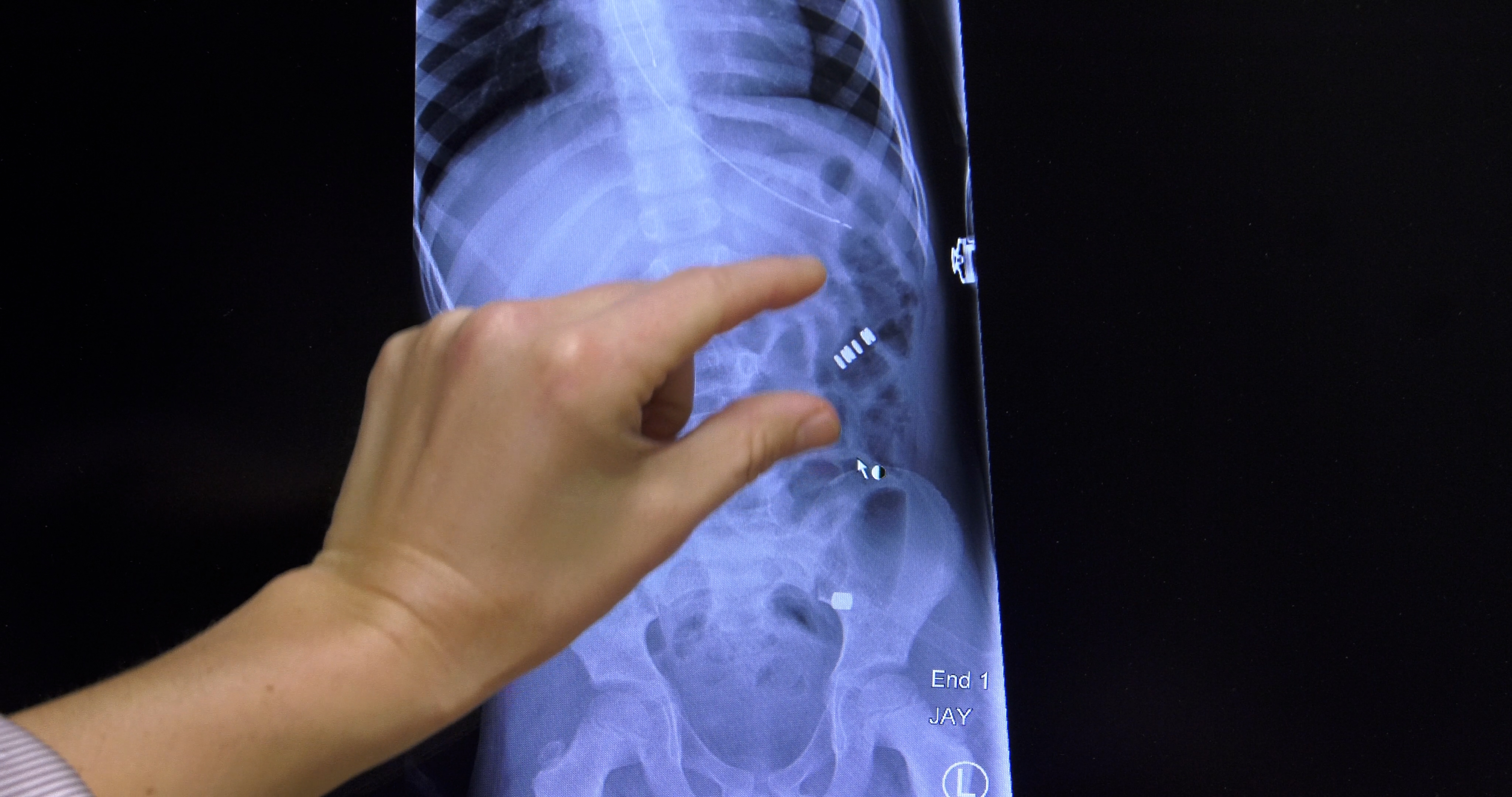
As families shop for holiday gifts, trauma experts at Intermountain Health Primary Children’s Hospital are urging parents to consider potential safety risks before buying toys and devices for children. The warning comes as the hospital reports a significant increase in serious e-bike injuries and continues to treat children harmed by swallowed magnets and button batteries.
E-bikes are high on many kids’ wish lists, but in the past year Intermountain Primary Children’s Hospital has seen a significant spike in the number of serious injuries involving them. New Utah laws limit what type of e-bike kids can ride, and which helmets they’re required to wear.
Doctors say popular gifts can come with risks parents and grandparents may not recognize.
For younger children, small toys and gadgets that have magnets or button batteries that can cause serious harm if ingested. Trauma surgeons still see several cases where surgery is needed to remove the items which can cause long term damage or even death.
“Small magnets can be a big problem because after it’s ingested, they can move at different rates and then come together in different parts of the intestines,” said Rob Swendiman, MD, a pediatric trauma surgeon with U of U Health and Intermountain Health Primary Children’s Hospital. “This can be very dangerous because it pinches the intestine and requires an emergency surgery.”
Dr. Swendiman is also the trauma medical director at Intermountain Health Primary Children’s Hospital Miller Family Campus in Lehi, where they see many of these cases throughout the year.
Doctors say small button batteries, which are now found in a lot of toys, can burn the esophagus or throat of a child, causing injuries that can be life threatening.
The warning signs after a child swallows a magnet or battery may not be obvious, particularly when a child is too young to explain what happened. A delay in treatment can make the injury worse.
Trauma experts recommend parents carefully research toys and consider avoiding products containing these items when shopping for children younger than 3.
For older children and teens, e-bikes and e-scooters are expected to be a gift high on their Christmas list, but trauma experts stress that parents should not treat them like traditional toys.
In the past year, Intermountain Health has seen a sharp rise in e-bike-related injuries among Utah children and teens, including patients as young as 8, with head trauma among the most serious injuries.
“In trauma care, the injuries we’re treating from e-bikes and e-scooters often look much more like motorcycle crashes than bicycle falls,” said Katherine Stokes, RN, trauma coordinator for Intermountain Health Primary Children’s Hospital. “Speed, lack of helmet use, and ignoring traffic rules are the most common factors we see in severe injuries.”
Parents should know what type of e-bike they are buying and how fast it can travel. New laws in Utah set age restrictions for certain e-bikes, and parents can face penalties if their child is using a bike not meant for their age.
Utah defines three classes of electric-assist bicycles, ranging from Class 1 and Class 2 devices with assistance up to 20 mph to Class 3 e-bikes that can reach 28 mph with pedal assistance.
Devices capable of exceeding 20 mph without pedaling can fall into a different legal category and require additional safety measures. Experts recommend no higher than a Class 1 e-bike for most youth.
Trauma experts recommend helmets appropriate for the speed and power of the device and advise families to teach children traffic laws, braking and hazard awareness before allowing them to ride.
“Parents play a critical role in preventing life-changing injuries,” said Stokes. “We recommend that you know the device before you buy it, choose the correct helmet, set clear expectations, and stay involved. Education, proper equipment, and understanding the law can make the difference between a safe ride and a serious injury.”
For more information on safety advice from Primary Children’s Hospital, click here.
About Intermountain Health
Headquartered in Utah with locations in six states and additional operations across the western U.S., Intermountain Health is a nonprofit system of 34 hospitals, approximately 400 clinics, medical groups with some 4,600 employed physicians and advanced care providers, a nonprofit health plan called Select Health with more than one million members, and other health services. Helping people live the healthiest lives possible, Intermountain is committed to improving community health and is widely recognized as a leader in transforming healthcare by using evidence-based best practices to consistently deliver high-quality outcomes at sustainable costs. For up-to-date information and announcements, please see the Intermountain Health newsroom at https://news.intermountainhealth.org/. For more information, see intermountainhealth.org/ or call 801-442-2000.