Key Takeaways
- Charmeuse’s satin weave creates a lustrous, mirror-like surface with floating warp threads, while georgette’s crepe twist construction uses highly twisted yarns for a crinkled, matte texture.
- The structural differences between these weaves determine breathability, drape, and durability—charmeuse offers fluid elegance ideal for evening wear and luxury bedding, whilst georgette provides ethereal flow perfect for layered garments.
- Georgette’s twisted yarn construction makes it more breathable than charmeuse, and its textured surface can help camouflage wrinkles, though both fabrics share silk’s natural temperature regulation properties.
- Understanding these weave distinctions helps discerning buyers choose the right silk fabric based on their project’s visual impact needs, functional requirements, and budget considerations.
When examining luxury silk fabrics, the distinction between charmeuse and georgette extends far beyond surface appearance. These two beloved textiles represent fundamentally different approaches to silk weaving, each creating unique characteristics that serve distinct purposes in fashion, home décor, and luxury applications.
Why Weave Construction Determines Everything
The weave structure forms the foundation of any textile’s personality, dictating how the fabric behaves, feels, and performs in real-world applications. For silk fabrics specifically, weave construction controls light reflection, surface texture, breathability, and drape characteristics more than any other factor.
Silk charmeuse and georgette begin with identical raw materials—high-quality silk fibres—yet emerge as completely different textiles through their distinctive weaving processes. Charmeuse employs a satin weave where warp threads float over multiple weft threads, creating long, uninterrupted surfaces that reflect light dramatically. Georgette utilises a crepe twist technique with highly twisted yarns woven into a plain weave structure, producing natural tension that creates its signature puckered texture.
These structural differences cascade into every aspect of fabric performance. The satin weave in charmeuse creates density and weight whilst maintaining flexibility, making it ideal for garments requiring substantial drape. Georgette’s crepe construction introduces air pockets between twisted threads, resulting in lightweight breathability and natural resilience. Understanding these weave fundamentals helps explain why charmeuse and georgette serve such different roles in luxury applications, from evening wear to summer garments.
Charmeuse’s Satin Weave Creates Lustrous Elegance
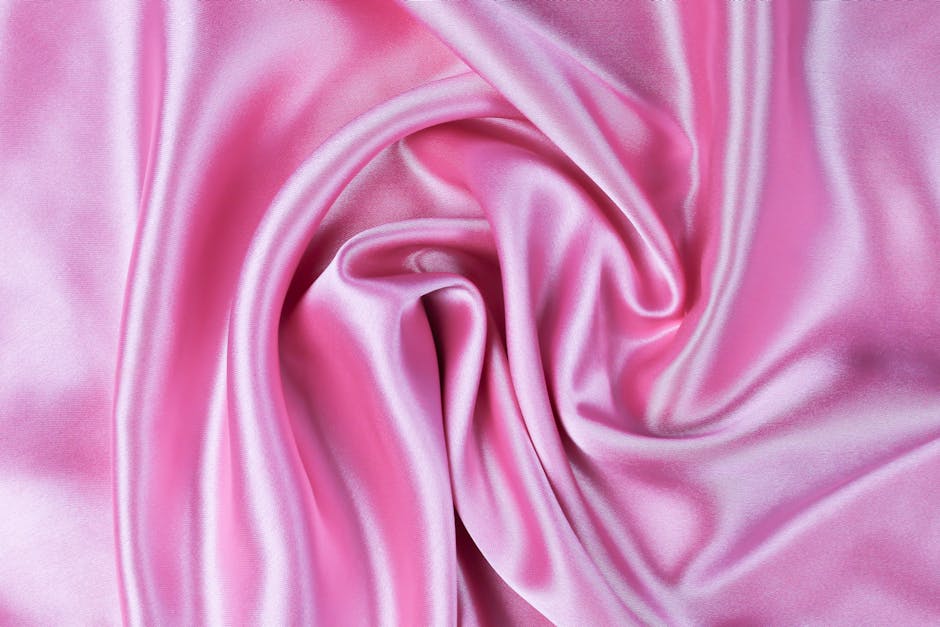
Silk charmeuse represents the pinnacle of lustrous elegance, achieved through its distinctive satin weave construction. This weaving technique allows warp threads to float over several weft threads before interlacing, creating long, unbroken surfaces on the fabric’s face. These floating threads catch and reflect light uniformly, producing charmeuse’s signature mirror-like finish that distinguishes it from all other silk varieties.
The satin weave also creates charmeuse’s characteristic two-sided nature—a brilliant, reflective face contrasted by a softer, matte reverse. This duality offers designers creative flexibility whilst providing practical benefits for garments worn close to the skin.
The Science Behind That Mirror-Like Finish
The lustrous surface of charmeuse results from light physics interacting with the satin weave structure. As light strikes the long, smooth warp threads floating across the fabric’s surface, it reflects uniformly rather than scattering in multiple directions. This creates the deep, rich glow that makes charmeuse appear almost liquid in movement.
Higher-quality charmeuse silks maintain tighter weave tolerances and use longer silk fibres, producing more consistent light reflection and deeper lustre. The floating threads also create a naturally cool feel against skin, as the smooth surface minimises friction and allows air to flow more freely than textured alternatives.
Weight, Drape, and Fluid Movement
Despite its lustrous appearance, charmeuse maintains a medium weight that balances structure with fluidity. The satin weave creates sufficient density to provide good coverage and opacity whilst preserving the natural drape that makes silk so coveted for flowing garments.
Charmeuse excels particularly in bias-cut applications, where the fabric’s natural diagonal stretch combines with its smooth surface to create garments that move like liquid. The tight weave structure supports the weight distribution needed for elegant draping whilst the floating warp threads allow the fabric to conform gracefully to curves and movement.
Georgette’s Crepe Twist Delivers Textured Sophistication
Silk georgette achieves its distinctive character through crepe twist construction, a specialised technique that fundamentally alters how silk behaves compared to traditional weaves. This method involves twisting silk yarns to an extreme degree before weaving, creating internal tension that produces georgette’s characteristic crinkled texture and dimensional surface.
The twisted yarns contract during the weaving process, forming tiny ridges and valleys across the fabric surface. These textural variations scatter light rather than reflecting it uniformly, creating georgette’s soft, matte appearance that contrasts dramatically with charmeuse’s high shine.
How Twisted Yarns Create the Crinkled Effect
The crepe twist process begins with silk threads being twisted in alternating directions—some clockwise, others counterclockwise—before weaving. When these highly twisted yarns relax during finishing, they create the natural contraction that forms georgette’s puckered surface texture.
This twisting process also creates air pockets between the yarns, contributing to georgette’s lightweight feel and enhanced breathability. The degree of twist can be adjusted during production to create varying levels of texture, from subtle crepe effects to more pronounced crinkled surfaces.
Semi-Transparency and Ethereal Flow
The spaces created between twisted yarns give georgette its characteristic semi-sheer quality, allowing light to filter through the fabric rather than reflecting off its surface. This translucency creates layering opportunities impossible with opaque charmeuse, enabling designers to build depth and dimension through overlapping fabric layers.
Georgette’s movement quality differs markedly from charmeuse’s liquid flow. Rather than draping heavily, georgette appears to float with natural buoyancy, moving with an airy resilience that returns to its original shape. This spring-back quality, created by the twisted yarn structure, helps garments maintain their intended silhouette throughout wear, though the fabric’s wrinkle resistance can vary depending on the specific construction and care.
Feel, Breathability, and Comfort Differences
The tactile experience of charmeuse versus georgette reveals how profoundly weave construction affects fabric comfort and wearability. These differences extend beyond surface texture to encompass temperature regulation, moisture management, and skin compatibility.
Surface Texture Against Skin
Charmeuse’s smooth satin weave creates a frictionless surface that glides effortlessly against skin. The floating warp threads eliminate surface irregularities, producing a cool, slippery feel that many find luxurious for sleepwear and intimate garments. This smoothness also reduces friction that can cause hair tangling and skin irritation during sleep.
Georgette’s textured surface provides a subtle grip that prevents fabric from sliding or clinging uncomfortably. The crinkled texture creates microscopic air channels that allow skin to breathe whilst providing enough tactile interest to prevent the fabric from feeling overly slippery or clingy against the body.
Temperature Regulation Properties
Both fabrics benefit from silk’s natural thermoregulatory properties, but their weave structures influence how these benefits manifest in practice. Charmeuse’s tight satin weave provides good insulation whilst maintaining reasonable breathability, making it suitable for year-round use in climate-controlled environments.
Georgette’s crepe construction maximises silk’s breathability advantages. The air pockets created by twisted yarns allow enhanced airflow, making georgette significantly more cooling in warm conditions. This increased ventilation makes georgette particularly suitable for summer garments and layered designs where heat retention could become uncomfortable.
Durability and Maintenance Considerations
The structural differences between satin and crepe weaves affect long-term durability and care requirements. Charmeuse’s floating warp threads, whilst creating its lustrous beauty, make the fabric more susceptible to snagging and surface damage. The smooth surface also shows water marks and stains more readily than textured alternatives.
Georgette’s twisted yarn construction provides some structural integrity, though it remains a delicate fabric that can be prone to snagging or tearing from sharp objects. The textured surface helps camouflage small imperfections and minor wrinkles, whilst the springy nature of crepe yarns allows the fabric to recover from stress better than more structured weaves.
Ideal Applications for Each Fabric Type
Understanding when to choose charmeuse versus georgette requires matching fabric characteristics to intended applications. Each weave type excels in specific contexts where its unique properties provide optimal performance and aesthetic appeal.
When Charmeuse Shines: Evening Wear to Luxury Bedding
Charmeuse reaches its full potential in applications requiring visual impact and luxurious tactile experience. Evening wear represents the perfect showcase for charmeuse’s lustrous beauty—formal gowns and cocktail dresses gain dramatic presence from the fabric’s light-reflecting properties. The substantial drape supports structured silhouettes whilst maintaining elegant movement.
In luxury bedding, charmeuse’s smooth surface provides practical benefits beyond aesthetic appeal. Silk pillowcases reduce friction against hair and skin during sleep, potentially reducing bedhead and sleep lines. The cool feel and temperature regulation make charmeuse bedding comfortable across seasons, whilst the lustrous finish adds visual luxury to bedroom décor.
Blouses and scarves benefit from charmeuse’s ability to showcase vibrant colours with enhanced depth and richness. The fabric’s substantial feel provides good coverage whilst maintaining enough fluidity for comfortable wear throughout the day.
Georgette’s Perfect Uses: Flowing Garments and Layering
Georgette excels in applications requiring ethereal movement, breathability, and layering capability. Summer dresses and blouses benefit from the fabric’s cooling properties, making georgette suitable for warm-climate wear, though care should be taken with wrinkle management during travel.
The semi-sheer quality makes georgette perfect for layered designs where depth and dimension matter more than opacity. Bridal wear often incorporates georgette for flowing overlays, romantic trains, and delicate details that appear to float with movement.
Scarves and wraps showcase georgette’s ability to create volume without weight. The fabric’s natural grip prevents slipping whilst its resilient nature maintains intended draping throughout wear. The matte finish provides sophisticated elegance without overwhelming shine.
Price Expectations and Quality Factors
Quality georgette typically commands higher prices than charmeuse due to the labour-intensive crepe twist production process. Creating the highly twisted yarns required for authentic georgette requires specialised equipment and extended processing time, factors that influence final pricing.
Premium charmeuse, particularly pieces with higher momme weights and superior lustre, represents excellent value for applications requiring durability and visual impact. The satin weave, whilst requiring precision, involves less complex yarn preparation than georgette production.
Quality indicators for both fabrics include consistent weave structure, absence of slubs or irregularities, and appropriate weight for intended use. Higher-grade silks maintain their characteristic properties longer and provide better performance across repeated wear and cleaning cycles.
Choose Based on Your Project’s Visual and Functional Needs
Selecting between charmeuse and georgette ultimately depends on prioritising visual impact versus functional requirements. Projects demanding lustrous elegance, substantial drape, and smooth tactile experience favour charmeuse’s satin weave construction. Applications requiring breathability, ethereal movement, and layering capability benefit from georgette’s crepe twist characteristics.
Consider the wearing environment and intended use duration. Charmeuse excels for special occasions and luxury applications where visual drama matters most. Georgette suits everyday wear, warm climates, and designs requiring natural movement and comfort.
Both fabrics represent significant investments in quality and craftsmanship, offering distinct advantages that synthetic alternatives cannot replicate. Understanding their structural differences ensures selection aligns with project requirements and personal preferences, maximising satisfaction with the final result.
Mayfairsilk
13 Hanover Square
Mayfair
London
England
W1S 1HN
United Kingdom