Why Some Stains Refuse to Come Out in the Wash, Experts Explain
Longs, United States – March 9, 2026 / Sunny Cleaners /
Sunny Cleaners Explains Why Some Stains Don’t Come Out in the Wash
Myrtle Beach, South Carolina – Sunny Cleaners Shares Expert Guidance on Stubborn Laundry Stains
Sunny Cleaners has released new guidance explaining why certain stains refuse to come out during regular washing, even when people follow their normal laundry routine. According to the company, many stubborn stains remain because the problem goes deeper than detergent or washing technique.
Many people assume that using the same machine, detergent, and routine should deliver the same results every time. However, when a stain refuses to budge, it often signals that something more complex is happening within the fabric itself. Regular laundry methods are not always designed to address these deeper issues.
To help consumers better understand the problem, Sunny Cleaners outlined several reasons why stains can resist normal washing and when professional dry cleaning may be the smarter solution.
Stains That Need Solvents, Not Water
Sunny Cleaners explains that one of the most common misconceptions about laundry is that water works for every type of stain. In reality, many everyday stains are not water-based at all.
When these types of stains are repeatedly washed in water, the cleaning process can actually push the stain deeper into the fabric fibers. This makes removal more difficult over time, even if high-quality detergent is used.
According to the company, when a stain refuses to disappear after a standard wash, it is often because the chemistry of the stain does not match the cleaning method being used.
Why Oil-Based Stains Behave Differently (And What to Do Instead)
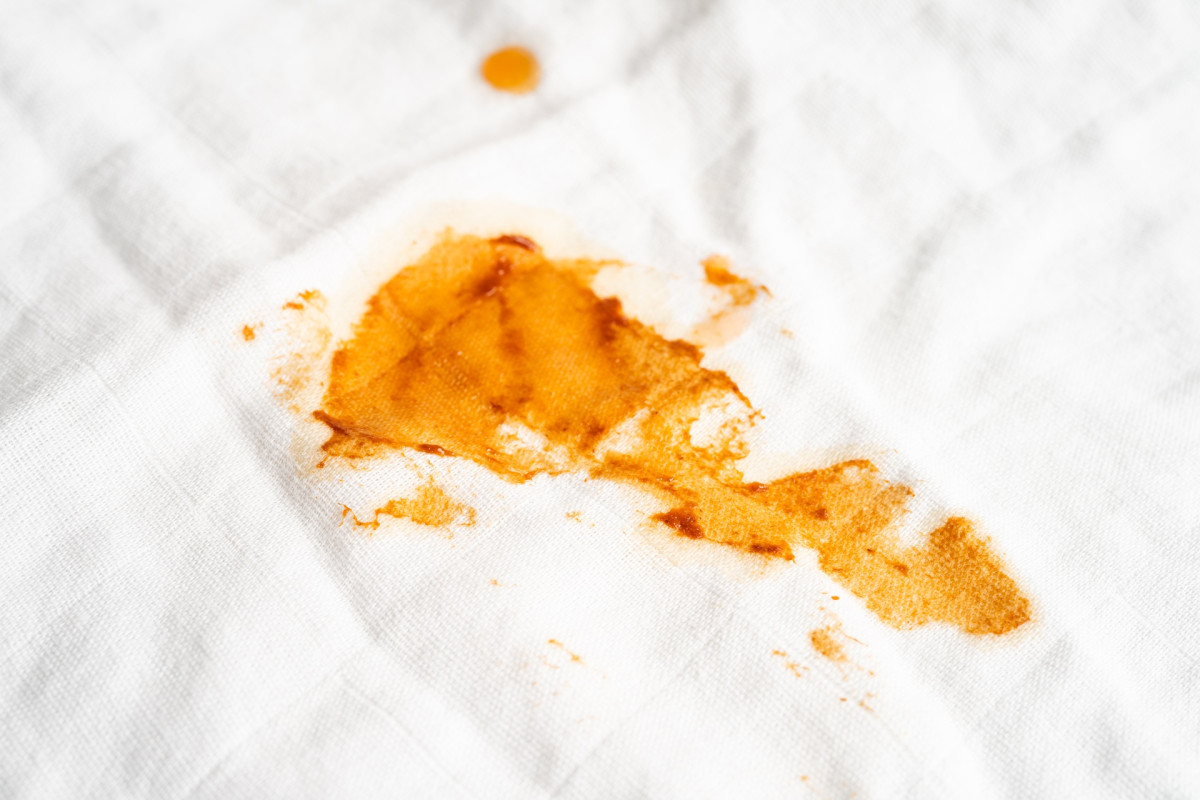
Oil and grease stains are among the most common examples of stains that water alone cannot effectively remove. Cooking oil, salad dressing, makeup, motor oil, lotions, and certain food stains all fall into this category.
Because oil naturally repels water, repeated washing cycles may spread the stain rather than remove it.
Sunny Cleaners recommends several practical steps when dealing with oil-based stains:
-
Avoid using hot water immediately, since heat can spread the oil further.
-
Blot the stain gently instead of rubbing it, which can push the stain outward into surrounding fibers.
-
Avoid repeated wash attempts before proper treatment is applied.
-
Use a cleaner designed to break down oils, or consider professional dry cleaning.
The company notes that dry cleaning uses specialized chemical solvents that attach to oil molecules and lift them from the fabric rather than spreading them through the material.
Heat That Sets Stains Permanently
Temperature can also play a major role in whether a stain becomes permanent. Sunny Cleaners notes that heat often changes the way stains interact with fabric fibers.
Appliances such as dryers, steam irons, and hot wash cycles all apply heat that can chemically alter stains. Once that transformation occurs, even professional stain removal becomes more challenging.
Understanding how heat affects stains can help consumers protect their clothing from permanent damage.
How Heat Turns Temporary Stains into Permanent Ones
Sunny Cleaners explains that heat can cause certain stains—especially protein-based stains—to coagulate and bond more tightly to fabric fibers. Sweat, blood, dairy products, and eggs are common examples.
The company compares this process to cooking an egg. Once the proteins solidify, reversing the process becomes extremely difficult.
To help prevent heat from setting stains permanently, Sunny Cleaners recommends:
-
Checking garments carefully before placing them in the dryer.
-
Allowing stained items to air-dry until the stain is fully removed.
-
Avoiding ironing over any area that appears discolored.
-
Pausing the laundering process and consulting a professional cleaner if there is uncertainty.
Professional dry cleaners typically use controlled temperatures and stain-specific treatments designed to prevent heat from locking stains into place prematurely.
Fabric Fibers That Trap Stains More Easily
Sunny Cleaners also highlights that certain fabrics naturally hold onto stains more easily due to their fiber structure and texture.
In these situations, stain removal is influenced less by effort and more by the science of the fabric itself. Delicate and textured materials can hide stains deep within their fibers, where surface cleaning methods cannot reach.
Repeated washing may fail to remove these hidden stains and can sometimes damage the garment in the process.
Fabrics That Require a Smarter Cleaning Strategy
Some fabrics are especially prone to trapping stains within their fibers. According to Sunny Cleaners, these include:
-
Wool, which absorbs liquids quickly and swells in water, trapping stains inside the fibers.
-
Velvet and textured weaves that can hide stains beneath the surface.
-
Synthetic fabrics such as polyester, which may bond permanently with oils.
-
Blended fabrics that can react unpredictably to detergents and heat.
For garments made from these materials, aggressive washing often causes more harm than good. Sunny Cleaners explains that dry cleaning avoids fiber swelling and excessive agitation, making it a safer approach for delicate, structured, or textured garments.
Delayed Treatment and Oxidation
Another factor that can make stains harder to remove is time. Sunny Cleaners explains that stains can change chemically when exposed to air, light, and heat.
Over time, oxidation can cause stains to shift in color, often turning yellow, brown, or faintly shadowed even after washing.
Once this process occurs, detergent alone may no longer be sufficient to remove the stain. However, taking action earlier can improve the chances of successful removal.
What Happens When Stains Sit Too Long
As stains age, oxygen interacts with their molecules and strengthens the bond between the stain and the fabric fibers.
This process frequently occurs with common spills such as wine, coffee, deodorant residue, and perspiration.
Sunny Cleaners offers several guidelines to help prevent oxidation-related staining:
-
Treat stains as soon as possible, even if the first step is simply blotting the spill.
-
Avoid leaving stained garments unwashed for extended periods.
-
Do not store stained clothing in warm or humid environments.
-
Seek professional cleaning for older stains that have already oxidized.
According to the company, professional dry cleaners often use specialized treatment agents and carefully controlled processes designed to break down oxidized stains that home laundering cannot remove.
When Professional Cleaning Is the Better Option
Sunny Cleaners emphasizes that home laundering does have limitations. Understanding when those limits have been reached is an important part of proper garment care.
Certain stains, fabrics, and circumstances require professional tools, specialized cleaning agents, and expert evaluation.
Dry cleaning, the company explains, is about using the most appropriate method for the specific problem. When repeated washing cycles stop improving a stain, continued laundering may actually make the situation worse.
Signs It’s Smarter to Stop Washing and Go Professional
Sunny Cleaners recommends considering professional dry cleaning in several situations:
-
The stain becomes lighter but never fully disappears.
-
The garment has already gone through a dryer cycle.
-
The fabric is delicate, structured, or labeled “dry clean.”
-
The stain appears oily, dark, or aged.
-
The garment is valuable, sentimental, or expensive to replace.
Professional cleaners typically evaluate the type of stain, the fabric composition, and the garment’s treatment history before choosing the best cleaning method.
According to Sunny Cleaners, this expertise—combined with solvent-based cleaning technology—is why dry cleaning often provides safer and more reliable results.
Sunny Cleaners Offers Professional Stain Removal Services
Sunny Cleaners encourages customers to recognize when repeated washing attempts are no longer helping. In many cases, continuing to wash the same garment can make a stubborn stain harder to remove.
The company reports that its cleaning approach blends advanced dry cleaning with professional wet cleaning techniques, allowing each garment to receive the most appropriate treatment.
By selecting between gentle water-based cleaning and a modern perc-free hydrocarbon solvent process, Sunny Cleaners aims to protect fabric integrity, preserve garment structure, and achieve effective stain removal without harsh odors or unnecessary wear.
For garments that have reached the point where home laundering is no longer effective, Sunny Cleaners invites customers to contact their team at 843-977-6256 to book dry cleaning services in Myrtle Beach, South Carolina, or schedule pickup for professional garment care.

Contact Information:
Sunny Cleaners
2395 Water Tower Road
Longs, SC 29568
United States
Rachel Hodges
(843) 399-8550
https://www.sunnycleanersmb.com/


Original Source: https://www.sunnycleanersmb.com/why-some-stains-dont-come-out-in-the-wash/


