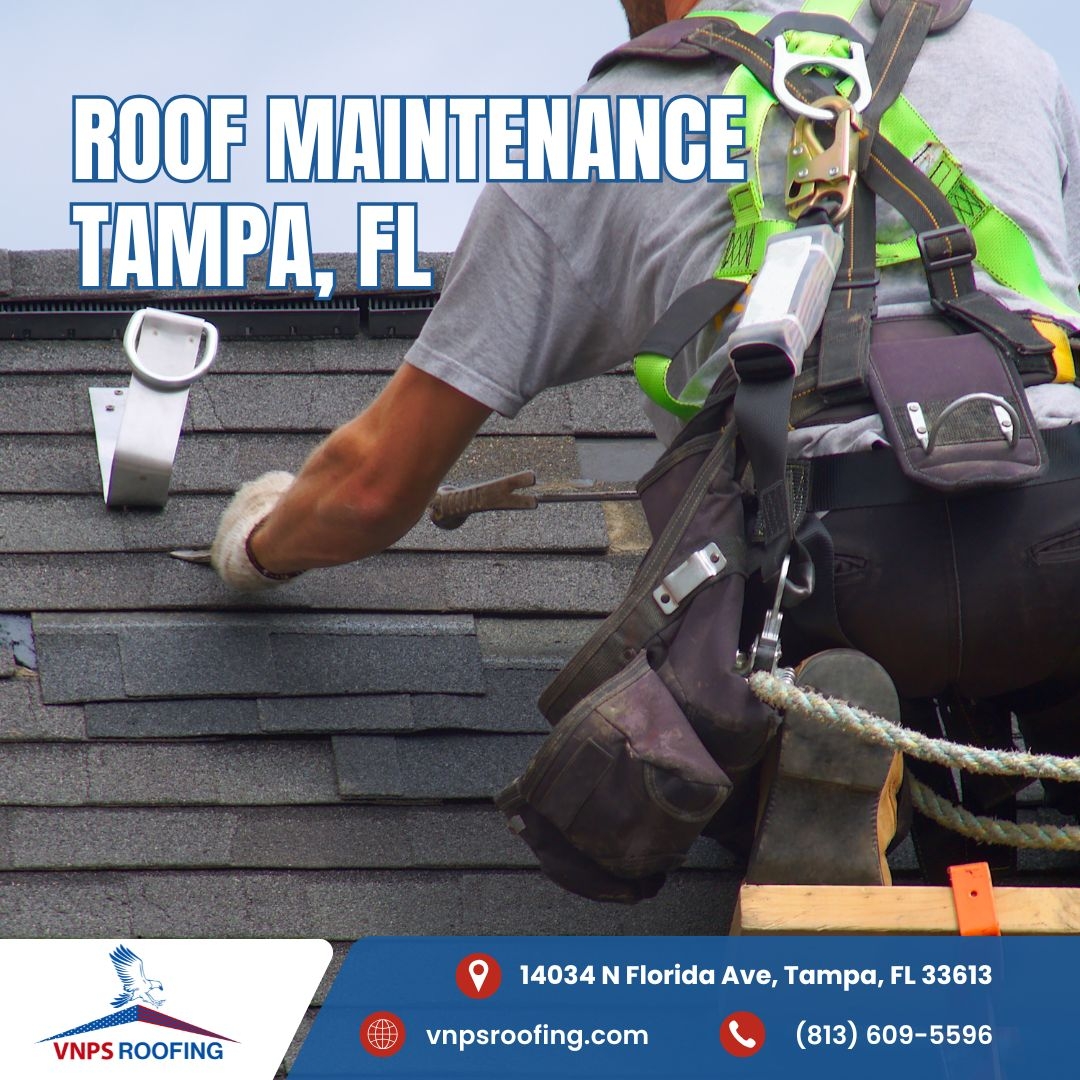
Tampa, FL – VNPS Roofing, a Tampa-based roofing contractor offering preventive roof maintenance across the Tampa Bay area, is urging homeowners to schedule inspections, address repairs, and clear drainage in the weeks before the Atlantic hurricane season begins June 1. Data from the National Oceanic and Atmospheric Administration (NOAA) shows peak hurricane activity in the Atlantic basin occurs between August and October, making late winter and early spring a critical period for inspections, repairs, and general roof care before the June 1 start of hurricane season.
A residential roof serves as a home’s primary barrier against wind, rain, heat, and airborne debris. Even minor issues—such as worn flashing, clogged gutters, or small leaks—can escalate quickly during severe weather, leading to water damage, mold growth, and costly structural concerns.
“Preventive roof maintenance helps identify vulnerabilities before storms place stress on the roofing system,” said Ruben Calles, owner of VNPS Roofing. “Addressing early signs of wear, moisture intrusion, or damage can reduce the likelihood of emergency roof repairs during peak storm activity.”
Roof Damage Risks in Coastal Florida
Tampa’s climate presents a unique combination of risks for roofs, including high humidity, intense heat, heavy rain, and strong wind events. Over time, these conditions can weaken roofing materials such as asphalt shingles, tile, metal roof panels, and bitumen systems. Moisture infiltration can affect the attic, ceiling, and insulation, while poor ventilation can accelerate deterioration and increase the risk of mold.
Local emergency management resources indicate that even lower-category hurricanes can loosen shingles, damage flashing around chimneys and vents, and clog gutters with debris. In more severe storms, roofing systems may experience structural damage to the deck, soffit, or roof-to-wall connections.
Key Roof Maintenance Steps Before Storm Season
Roofing contractors and disaster preparedness agencies recommend several preventive steps homeowners can take, particularly before peak storm demand increases and emergency repairs become harder to schedule.
Schedule a Professional Roof Inspection
A licensed roofer or roofing contractor can assess the condition of the roof, identify leaks, and evaluate components such as flashing, sealant, and ventilation. In Florida’s climate, inspections are often recommended at least once per year, with additional checks before and after hurricane season. Early inspections help detect hidden issues like moisture buildup or airflow problems in the attic.
Address Minor Roof Repairs Promptly
Fixing small issues—such as loose shingles, rust on metal components, or minor roof leak repairs—can prevent more extensive damage. Delayed repairs may increase overall repair costs and lead to complications during storms.
Clean Gutters and Improve Drainage
Routine gutter maintenance ensures that water flows properly through gutters and downspouts. Blockages can cause water to back up under roofing materials, increasing the risk of leaks and interior damage.
Remove Debris and Trim Surrounding Trees
Loose branches, yard debris, and organic buildup can become hazards during high winds or contribute to moisture retention on the roof surface. Keeping the roof clean and minimizing nearby risks helps protect the overall roofing system.
Check Attic Ventilation and Insulation
Proper airflow reduces heat and moisture buildup, which can contribute to mold growth and premature deterioration of roofing materials. Ventilation improvements can also support long-term roof performance.
Document Roof Condition for Insurance Purposes
Photographs and records of roof inspections, maintenance, and repairs can assist with insurance claims if storm damage occurs. Documentation may help clarify pre-existing conditions versus new damage.
Materials and System Considerations
Maintenance requirements can vary depending on roofing material and system design in Florida’s climate. Asphalt shingles are widely used but may be susceptible to wind uplift if not properly installed. Metal roofs offer durability but may require periodic metal roof repairs to address rust or fastener issues. Tile and cedar shake systems also require specialized maintenance, including sealant checks and repair of cracked or displaced materials.
For both residential roof and commercial roof maintenance, roofing repair contractors emphasize the importance of maintaining the full roofing system, not just surface materials. This includes flashing, deck integrity, soffit condition, and proper sealing to prevent water infiltration.
Permits, Insurance, and Financial Considerations
Homeowners planning roof repair or roof replacement should be aware of local permitting requirements. In many cases, larger repairs or structural changes require approval to ensure compliance with building codes governing wind resistance and may be subject to limits on how much of a roof can be repaired before replacement is required.
Insurance policies may cover certain types of storm-related roof damage, but coverage often depends on documented maintenance history and inspection records. Understanding policy terms and maintaining records can help streamline claims and reduce out-of-pocket expenses.
Programs such as state-supported wind mitigation initiatives may also provide financial assistance or incentives for upgrades that improve roof resilience.
Customer Experiences Highlight Maintenance Value
Recent customer feedback highlights the role of consistent roof maintenance in preventing major issues:
One homeowner noted that a routine roof inspection identified early signs of a leak near the chimney, allowing for quick flashing repairs before heavy rain caused interior ceiling damage. Another review described how regular roof cleaning and gutter maintenance helped prevent water overflow and mold growth during a period of intense storms.
A separate customer shared that addressing minor asphalt shingle wear and improving attic ventilation reduced long-term repair costs and extended the life of their roofing system. Others emphasized the importance of working with a professional roof contractor to obtain accurate roof repair estimates and ensure proper workmanship.
Preparing for the Season Ahead
As Tampa homeowners prepare for another hurricane season, proactive maintenance remains one of the most effective ways to reduce storm-related risk. From routine roof inspections to timely repairs and improved drainage, small steps taken in advance can help protect homes from the impacts of severe weather.
“Preparation is key,” Calles added. “Following a consistent maintenance plan and addressing issues early can help homeowners avoid larger problems and unexpected expenses when storms arrive.”
With increasing awareness of climate-related risks, maintaining a durable and well-functioning roof remains a central part of home protection strategies across the Tampa Bay region.
For more information about preventive roof maintenance before storm season, contact VNPS Roofing at (813) 609-5596 or visit https://vnpsroofing.com/roof-maintenance/.
About VNPS Roofing
VNPS Roofing is a Tampa-based Service-Disabled Veteran-Owned Small Business (SDVOSB) founded in 2014 and led by owner Ruben Calles. The company is a Florida Certified Roofing Contractor (CCC1332569) serving Hillsborough, Pasco, and Pinellas counties with residential and commercial roof inspections, maintenance, repair, and replacement across asphalt shingle, tile, metal, and modified bitumen systems. VNPS Roofing is an Owens Corning Preferred Contractor and a Duro-Last Certified Contractor.
Media Contact
Company Name: VNPS Roofing
Contact Person: Ruben Calles
Email: Send Email
Address:14034 N Florida Ave
City: Tampa
State: https://vnpsroofing.com/
Country: United States
Website: https://vnpsroofing.com/
Press Release Distributed by ABNewswire.com
To view the original version on ABNewswire visit: VNPS Roofing Advises Tampa Homeowners on Preventive Roof Maintenance Before Storm Season


