SHENZHEN, GUANGDONG, CHINA, October 23, 2026 /EINPresswire.com/ — Note 1: Introduction to Global Sourcing and Spermidine Trihydrochloride
In the rapidly evolving global nutraceutical and anti-aging ingredient sectors, procurement managers and quality assurance directors face mounting responsibilities. Sourcing active dietary ingredients requires far more than comparing commercial quotations; it demands a rigorous evaluation of synthetic pathways, analytical purity, batch-to-batch consistency, and regulatory compliance. As consumer demand shifts toward evidence-based longevity and cellular health solutions, identifying a reliable High-Purity Spermidine Trihydrochloride Bulk Manufacturer has become a pivotal factor for brands aiming to establish market credibility and ensure product safety.
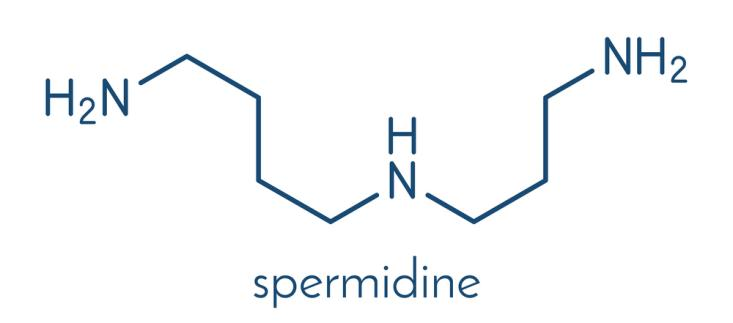
Spermidine trihydrochloride is a stabilized, highly bioavailable salt form of spermidine-a naturally occurring polyamine present in living cells. While naturally occurring spermidine plays an essential role in fundamental cellular processes, raw spermidine in its free base form is inherently volatile and susceptible to oxidative degradation. By complexing pure spermidine with three hydrochloric acid molecules, manufacturers produce spermidine trihydrochloride, a crystalline powder characterized by superior thermal stability, extended shelf-life, and precise dosage control suitable for solid oral dosage forms, dietary supplements, and specialized topical formulations.
From a physiological standpoint, spermidine is renowned for its role as an endogenous inducer of autophagy-the evolutionary conserved self-cleaning mechanism by which cells degrade and recycle damaged organelle components and misfolded proteins. Beyond metabolic and systemic cellular maintenance, modern dermatological research has increasingly focused on the specific physiological actions of spermidine within human skin tissues, particularly regarding hair follicle biology and epithelial cell proliferation.
Note 2: Key Quality Benchmarks for Selecting a Bulk Spermidine Trihydrochloride Supplier
Evaluating a chemical synthesis or enzymatic conversion facility for spermidine trihydrochloride requires objective audit protocols. Global buyers must assess prospective supply partners across several key analytical and operational parameters:
Analytical Purity and Assay Verification
Standard commercial specifications for high-purity spermidine trihydrochloride typically stipulate an assay content equal to or exceeding 98.0% (measured on a dry basis). Quality control laboratories should utilize validated High-Performance Liquid Chromatography (HPLC) coupled with Mass Spectrometry (LC-MS) or Refractive Index (RI) detection to quantify active content and identify potential process-related impurities.
Impurity Profiling and Solvents Control
Because polyamine synthesis involves organic intermediate reactions or enzyme-catalyzed steps, raw materials must undergo strict testing for residual solvents (classified under ICH Q3C guidelines), heavy metals (lead, arsenic, cadmium, mercury via ICP-MS), and microbiological limits. A comprehensive Certificate of Analysis (CoA) must disclose total impurity thresholds and demonstrate complete absence of unreacted starting materials.
Solid-State Characterization and Stability
The physical properties of the powder-including particle size distribution, bulk density, hygroscopicity, and crystalline form-directly influence downstream encapsulation and tableting operations. Manufacturers offering micro-milled or standardized mesh sizes enable seamless integration into complex multi-ingredient formulations without risk of phase separation.
Note 3: Mechanism of Action: Spermidine and Human Hair Growth
Understanding the biological impact of spermidine on human hair growth requires examining hair follicle physiology and cellular turnover. Human hair growth operates through a dynamic, cyclical process consisting of three distinct phases:
Anagen (Growth Phase): A period of active cell division in the hair follicle root, lasting two to seven years, during which keratan and collagen matrix proteins are rapidly synthesized.
Catagen (Regression Phase): A brief two- to three-week transitional stage where hair growth ceases, and the outer root sheath shrinks.
Telogen (Resting Phase): A three- to four-month phase ending with hair shedding, after which the follicle re-enters anagen.
The biological mechanisms governing hair growth rely heavily on persistent stem cell activity within the hair bulge region and high metabolic rates among dermal papilla cells. External stressors, metabolic decline, and cellular aging can cause premature conversion of follicles from the anagen phase to the catagen phase, leading to progressive hair thinning.
Research published in dermatological literature demonstrates that spermidine acts directly as a potent stimulator of human hair growth. In ex vivo human hair follicle organ cultures, spermidine prolongs the duration of the anagen growth phase while suppressing premature catagen entry. At a cellular level, spermidine enhances epithelial cell proliferation and elevates the expression of key hair keratins (such as K14 and K15).
Furthermore, spermidine modulates hair follicle biology through autophagy activation and membrane transcript regulation. By promoting intracellular clearance within dermal papilla cells, spermidine helps maintain mitochondrial membrane integrity and protects follicular tissue from oxidative stress-induced apoptosis.
Note 4: Natural Dietary Sources and Complementary Hair Health Nutrients
While bulk spermidine trihydrochloride offers precise dosage control for nutraceutical supplements, spermidine is also naturally synthesized by intestinal microbiota and present in select dietary foods:
Aged Cheeses: Mature blue cheese and cheddar contain measurable polyamine levels.
Fermented Soy Products: Natto and traditional miso are rich in dietary spermidine.
Whole Grains and Wheat Germ: Unrefined wheat germ remains one of the densest plant-based dietary sources.
Legumes and Mushrooms: Green peas, lentils, and shiitake mushrooms contribute moderate amounts.
However, dietary intake of spermidine from whole foods varies substantially based on agricultural origin, processing conditions, and digestive absorption rates. Consequently, dietary supplement brand owners frequently combine standardized spermidine trihydrochloride with synergistic micronutrients to optimize hair health formulas:
Biotin (Vitamin B7): Essential for keratin protein synthesis and structural matrix repair.
Zinc and Selenium: Trace minerals involved in follicular tissue repair and cellular antioxidation.
Marine Collagen Peptides: Provide essential amino acid building blocks (glycine, proline, hydroxyproline) required for dermal layer density.
L-Cysteine and Saw Palmetto Extract: Support hair shaft tensile strength and modulate local enzymatic pathways associated with hair follicle miniaturization.
Note 5: Advanced Biotechnology Infrastructure at Hygieia
Meeting global commercial demand for high-purity dietary actives requires a modern biotechnological manufacturing framework. Hygieia (Shenzhen Hygieia Biotech Co., Ltd.) operates as a specialized high-tech enterprise centered on biosynthetic technology, focusing on the research, development, production, and application of premium anti-aging ingredients.
Leveraging its proprietary Zymevolver strain construction technology and enzyme engineering evolution platform, Hygieia has established a robust production model for precise anti-aging molecules. By integrating computational enzyme design with high-density fermentation and advanced downstream purification workflows, the company delivers consistent quality across its specialized ingredient matrix.
To ensure comprehensive quality assurance, Hygieia maintains an analytical testing architecture comprising:
Safety Evaluation Systems: Rigorous screening for cytotoxic elements, environmental contaminants, and elemental impurities.
Efficacy Validation Platforms: In vitro and cell-level functional validation verifying biological activity prior to commercial distribution.
Contract Manufacturing & OEM/ODM Services: Full-service support spanning raw material synthesis, custom formula design, and finished product encapsulation (Hygieia OEM Services).
Through its state-of-the-art platforms, detailed on its Biosynthetic Technology Platform, Contract Manufacturing, and Private Label Services portals, Hygieia provides scalable solutions for international enterprises across nutrition, personal care, and functional health industries.
For detailed product specifications, regulatory documentation, and custom bulk manufacturing inquiries, please visit the official company portal at https://www.hygieiabiotech.com/.
Hygieia
Hygieia
Legal Disclaimer:
EIN Presswire provides this news content “as is” without warranty of any kind. We do not accept any responsibility or liability
for the accuracy, content, images, videos, licenses, completeness, legality, or reliability of the information contained in this
article. If you have any complaints or copyright issues related to this article, kindly contact the author above.

Media gallery