
Key Takeaways
- Termites can live hidden in wood, soil, and walls for a long time, so visible damage does not always show how bad an infestation really is
- Warning signs like discarded wings, mud tubes, and stuck doors or windows are easy to miss or mistake for everyday house quirks
- A professional inspection covers foundations, crawl spaces, attics, and moisture-prone areas before any treatment plan is chosen
- Treatment options range from liquid soil barriers to bait stations to fumigation, each suited to different infestation types
- Knowing what preparation, follow-up, and re-entry steps look like can make the treatment process far less stressful for homeowners
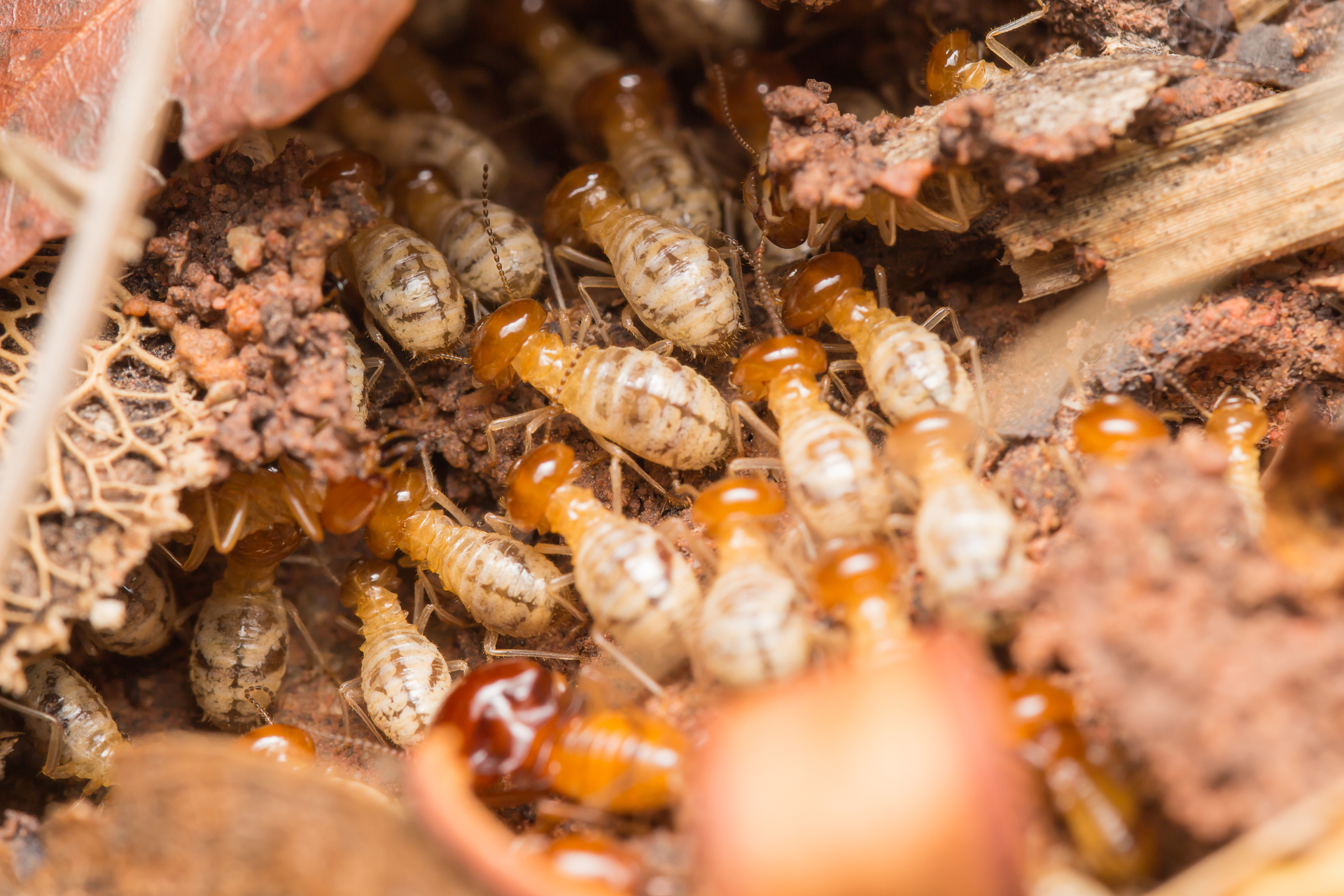
Termites rarely announce themselves. A colony can spend months, even years, quietly chewing through wood framing, flooring, and furniture before a homeowner notices anything wrong. Understanding what a termite infestation actually looks like, and what a professional treatment plan involves, can help homeowners act before small damage turns into a major repair bill.
Hidden Damage Before Visible Signs
Termites can remain concealed in wood, soil, walls, and other areas, which means visible signs often fail to show how extensive an infestation has become. A homeowner might spot a single damaged baseboard while an entire colony works unseen through wall studs or subflooring nearby. The portion of termite activity a person can actually see is rarely the full picture of what’s happening inside a structure.
Because termites feed on cellulose, the material found in wood and other plant-based products, their feeding can weaken structural components, flooring, wall materials, furniture, and other wooden features over time. The extent of that damage depends on the termite species, colony size, location, and how long the infestation has continued. A colony that has been active for a year causes far more harm than one caught within its first few weeks, which is exactly why early detection carries so much weight.
Homeowners who confirm termite activity in their home have several treatment paths available, and the right one depends on the inspection findings, from the initial walkthrough through the final stages of a treatment plan.
Warning Signs Homeowners Miss
Experts like Connor’s Pest Pros say that most homeowners are not trained to recognize termite activity, so it makes sense that early clues often go unnoticed. A handful of signs, once known, are easier to catch before they turn into expensive surprises.
Discarded Wings, Mud Tubes, and Stuck Doors
A few warning signs tend to show up before serious damage appears:
- Discarded wings near windows or doorways, left behind after swarming termites shed them
- Hollow-sounding wood when tapped, a sign termites have been feeding from the inside out
- Small piles of termite droppings, sometimes resembling sawdust or coffee grounds
- Mud tubes running along foundations, walls, or crawl space piers
- Doors or windows that suddenly become difficult to open or close, often caused by warping as wood is damaged
Any one of these signs on its own might seem minor. Together, or even alone, they are worth a closer look from someone trained to recognize what is behind them.
Why Surface Sprays Don’t Reach the Colony
Store-bought sprays and treatments can handle the termites a homeowner happens to see, but they rarely reach the colony responsible for the damage. Termites living inside walls, foundations, soil, or structural wood are simply out of reach for a surface-level product. Treating visible evidence alone can create a false sense of progress while the larger colony continues feeding undisturbed.
There is also the challenge of location. Termite activity in one part of a home does not necessarily point to where the main colony is established. Without a thorough inspection, pinpointing where treatment should actually be focused becomes guesswork, and guesswork is an expensive way to handle a structural pest problem.
What a Professional Inspection Covers
A professional termite inspection is built to catch what a homeowner’s walkthrough cannot. Rather than scanning for obvious damage, an inspection is designed to map out where termites are active and where the home itself might be inviting trouble.
Checking Foundations, Crawl Spaces, and Attics
A thorough inspection can include foundations, crawl spaces, basements, attics, exterior walls, and wooden structures throughout the property. These are the areas where termites most commonly establish themselves, since they offer the dark, undisturbed, wood-adjacent conditions termites need to thrive. Checking each of these zones gives a far more complete picture than a quick glance at a single damaged board.
Spotting Moisture and Wood-to-Soil Risks
Beyond searching for active termites, an inspection also looks for conditions that make a property more vulnerable to future activity. Moisture problems, wood-to-soil contact, cracks in the foundation, and nearby landscaping or stacked firewood can all contribute to conditions favorable to termite activity. Leaking pipes, poor drainage, and standing water near a foundation are common culprits worth flagging. Identifying these risk factors matters just as much as finding active termites, since fixing them can reduce the odds of a repeat infestation down the line.
Matching Treatment to the Infestation
Once an inspection is complete, treatment planning can include identifying both the active termites and the conditions that could make the home vulnerable to future activity. No single treatment method fits every situation, which is why the inspection findings shape what comes next.
Soil Barriers and Liquid Termiticide
Liquid termiticide can be injected into soil or wood to create a barrier termites cannot safely cross. A soil treatment typically forms a termiticide barrier in the ground beneath and alongside a building, and a vertical barrier may be created by trenching, or trenching and rodding, along foundation elements. Soil-applied termiticides can remain effective in the ground for years, even without a renewed service contract, making this option a long-lasting line of defense for many properties.
How Bait Stations Eliminate a Colony
Bait stations work differently. Rather than creating a barrier, bait stations attract foraging termites to an insecticide-treated cellulose food source that they feed on and then share with nestmates back at the colony. Monitoring stations often begin with untreated wood or other cellulose; once termites are detected, that material is swapped for bait, which gets replenished while termites continue feeding. Because termites need time to find the stations, consume the bait, and carry it back through the colony, baiting can take a few months or longer to fully eliminate an infestation. Monthly station checks are normally recommended to track progress, and stations must be inspected and maintained at least annually going forward.
Fumigation Preparation and Safe Re-Entry
Fumigation is reserved for more extensive infestations and comes with its own set of preparation steps. Before fumigation begins, homeowners typically need to:
- Remove food, pets, plants, and medicine from the home
- Bag any items that could be exposed to the fumigant
- Turn off gas lines and pilot lights
- Leave interior doors open to support gas circulation throughout the structure
- Arrange alternate accommodations while the tent is in place
During fumigation, the home is typically covered with tarps and the fumigant gas is released into the sealed structure before the building is aerated. People, pets, and plants must be removed for the full process. Afterward, technicians ventilate the home and test the air, and the structure must be certified safe for re-entry by the licensee in charge before anyone returns. The exact waiting period varies depending on the product used, as stated on the product label, so following the applicator’s specific re-entry instructions is essential rather than relying on a general timeline.
Why Follow-Up Monitoring Continues
Termite management rarely ends the moment treatment is applied. Depending on the property and the type of infestation, follow-up inspections, ongoing monitoring, preventative treatments, or changes around the home may continue well after the initial service. Bait systems in particular depend on consistent follow-up, since monthly station checks help confirm that termites are still being targeted and that the colony’s activity is declining as expected.
This ongoing attention is not a sign that the first treatment failed. Termite colonies can be large and spread out, and verifying that activity has stopped takes time and repeated checks. Skipping this stage can allow a partially treated colony to rebound, undoing the progress made during the initial treatment.
Acting Early Limits Structural Damage
Early evaluation can limit the amount of time an active infestation has to cause damage, which in turn can reduce how much repair work ends up being necessary. Termite damage rarely happens overnight; it builds gradually as a colony continues feeding undisturbed, which means the earlier an infestation is caught, the less structural harm it tends to leave behind.
Waiting for damage to become obvious before calling in a professional gives termites more time to work through wood framing, flooring, and other structural elements. A property with early warning signs, even subtle ones like a stuck door or a small mud tube, deserves a closer look rather than a wait-and-see approach. For homeowners noticing any of these clues, reaching out to a professional pest control company like Connor’s Pest Pros can make the difference between a manageable treatment and a much larger repair project.
Connor’s Pest Pros
5410 Port Royal Rd
Springfield
VA
22151
United States


